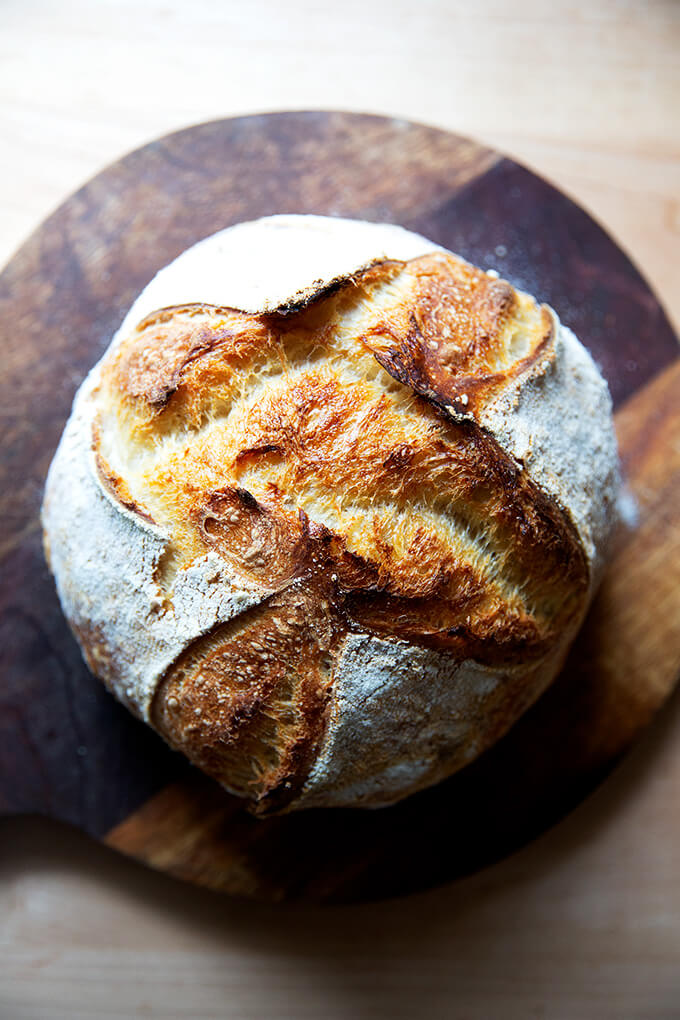
Embrace the Goodness: Your Guide to Easy Whole Wheat-ish Sourdough Bread
There's a special kind of magic in baking sourdough – the aroma filling your kitchen, the satisfaction of nurturing a living starter, and the sheer delight of a crusty, flavorful loaf. If you've mastered the basics and are looking to gently elevate your bakes, then diving into easy whole wheat ish sourdough bread is your next delicious adventure. This isn't about tackling intimidating 100% whole wheat loaves right away; it's about introducing a subtle, yet significant, nutritional and flavor boost by blending the best of both worlds.
Imagine a bread that offers the hearty, complex notes of whole grains without sacrificing the light, airy texture you love. That's the promise of a "whole wheat-ish" sourdough. By incorporating a carefully chosen whole wheat flour alongside your trusted bread flour, you unlock deeper flavors, a more robust aroma, and a valuable nutritional punch, all while keeping the baking process accessible and enjoyable. It's the perfect stepping stone for anyone eager to add more whole grains to their diet through the art of sourdough.
The Quest for Better Bread: Why "Whole Wheat-ish" Sourdough?
Many home bakers eventually seek to enhance the nutritional profile of their loaves. A logical first step is often to replace some white flour with whole wheat. However, jumping straight to a high percentage of whole wheat can sometimes lead to dense, crumbly loaves, particularly for those new to working with these more absorbent flours. This is where the beauty of easy whole wheat ish sourdough bread truly shines.
By using a strategic mix of bread flour (which contributes to gluten development and a lighter crumb) and a portion of whole wheat flour, you achieve a bread that is both deeply flavorful and wonderfully textured. The whole wheat component infuses the loaf with a rich, nutty flavor and a captivating aroma that pure white flour simply can't replicate. Furthermore, it introduces essential fiber, vitamins, and minerals, making your everyday bread a more wholesome choice. This balanced approach allows you to gradually introduce your palate and your sourdough starter to whole grains, building confidence without overwhelming your baking routine. It’s an ideal way to boost nutrition without compromising on the delightful chew and open crumb that defines a great sourdough loaf.
Unpacking Your Flour Bag: The Stone-Milled Difference
When it comes to whole wheat flour, not all varieties are created equal. Understanding the milling process is key to unlocking the true potential of your easy whole wheat ish sourdough bread.
Most commercial flours, whether white or whole wheat, are produced using roller mills. This industrial process efficiently separates the wheat kernel into its three primary components: the endosperm (which becomes white flour), the germ, and the bran. For whole wheat flour, these parts are then recombined. While this method is excellent for mass production, extensive research suggests that this separation and re-combination can lead to a significant loss of nutritional value. The act of separating these components, even if they are later mixed back together, can degrade enzymes and essential oils found in the germ, diminishing the flour's overall goodness.
The solution lies in seeking out stone-milled flour. This traditional method involves wheat passing through a stone mill, which grinds the entire kernel together, keeping the endosperm, bran, and germ intact from start to finish. This holistic approach preserves the wheat kernel's inherent nutritional value, ensuring that the flour retains more of its natural goodness. But the benefits don't stop at nutrition:
- Flavor: Stone-milled flours boast a far more complex and nuanced flavor profile – often described as nutty, earthy, and exceptionally aromatic – due to the oils and compounds from the germ and bran remaining integrated.
- Aroma: The natural oils in the germ contribute to a wonderfully fragrant flour and, subsequently, a more aromatic loaf.
- Texture: While contributing to a richer flavor, stone-milled flours also lend a distinctive texture to your bread, often a more tender and moist crumb.
- Hue: Expect a deeper, more appealing golden or rustic color in your finished bread.
For your easy whole wheat ish sourdough bread, incorporating even a small portion of stone-milled whole wheat flour makes a world of difference. It's an investment in quality that pays dividends in flavor, aroma, and health. Look for artisanal millers, specialty grocers, or online suppliers to find high-quality stone-milled flours. Once you experience the difference, you'll understand why it's worth the effort.
Mastering the Blend: Crafting Your Easy Whole Wheat-ish Sourdough
The beauty of easy whole wheat ish sourdough bread is its flexibility and forgiving nature. If you're new to sourdough, we recommend starting with foundational recipes like those discussed in easy whole wheat ish sourdough bread - Article 1, building your confidence with classic white sourdough before introducing whole grains. Once you're comfortable with the basics – managing your starter, understanding dough hydration, and mastering techniques like stretch and folds and shaping – you're ready to integrate whole wheat.
The typical approach for an "easy whole wheat-ish" loaf involves replacing a modest percentage of your bread flour with stone-milled whole wheat flour. A common starting point is around 10-30% whole wheat flour, with the remainder being high-quality bread flour. This ratio provides a noticeable boost in flavor and nutrition without drastically altering the dough's behavior or requiring significant adjustments to your existing sourdough routine. For those looking for more specific guidance on starter maintenance and foundational techniques, explore easy whole wheat ish sourdough bread - Article 2.
Practical Tips for Blending:
- Start Small: Begin with a lower percentage of whole wheat (e.g., 10-15%) to see how your starter and dough react. Whole wheat flour absorbs more water, so you might need a slight adjustment in hydration.
- Observe and Adjust: Pay attention to your dough's consistency during mixing, bulk fermentation, and shaping. It might feel a little different, but with a small percentage, the change should be manageable.
- Experiment: Once you've made a few successful loaves, don't be afraid to gradually increase the proportion of whole wheat flour. You might discover your ideal blend is 20%, 30%, or even higher, depending on your preferred flavor and texture.
- Autolyse (Optional but Recommended): Even with a small percentage of whole wheat, a short autolyse (mixing flour and water only, then letting it rest before adding starter and salt) can help the whole wheat flour hydrate fully, leading to a more extensible dough and a better crumb.
The journey of sourdough baking is all about learning and adapting. This gradual introduction to whole wheat will make the process smoother and more enjoyable, allowing you to appreciate the unique qualities of whole grains.
Beyond the Recipe: The Rewards of Baking with Whole Grains
The satisfaction of baking easy whole wheat ish sourdough bread extends far beyond merely following a recipe. It's about connecting with an ancient craft, understanding your ingredients, and creating something truly nourishing and delicious from scratch. Each loaf tells a story, from the vibrant activity of your fed starter to the rich aroma that fills your home as it bakes.
When you slice into a loaf of whole wheat-ish sourdough, you're greeted with a tantalizing sight: a golden, crunchy, caramelized crust, giving way to a tender crumb scattered with fluffy holes. The flavor is a harmonious blend – the classic sourdough tang enhanced by the deep, nutty undertones of the whole wheat. It’s a sensory experience that transforms a simple meal into something special.
Moreover, the decision to incorporate stone-milled whole wheat flour is a commitment to health. You're providing your body with essential dietary fiber, B vitamins, antioxidants, and minerals that are often stripped away in highly processed flours. This isn't just bread; it's a labor of love that feeds both body and soul, a testament to the power of natural fermentation and quality ingredients.
Embarking on the journey of easy whole wheat ish sourdough bread is a rewarding step for any home baker. It’s a manageable way to introduce the robust flavors and superior nutrition of whole grains into your diet without the complexities sometimes associated with 100% whole wheat baking. By understanding the importance of quality flours, particularly stone-milled varieties, and gradually experimenting with proportions, you can consistently achieve incredibly flavorful, aromatic, and nutritious loaves. So go ahead, nurture your starter, embrace the blend, and enjoy the profound satisfaction of baking truly exceptional bread.
