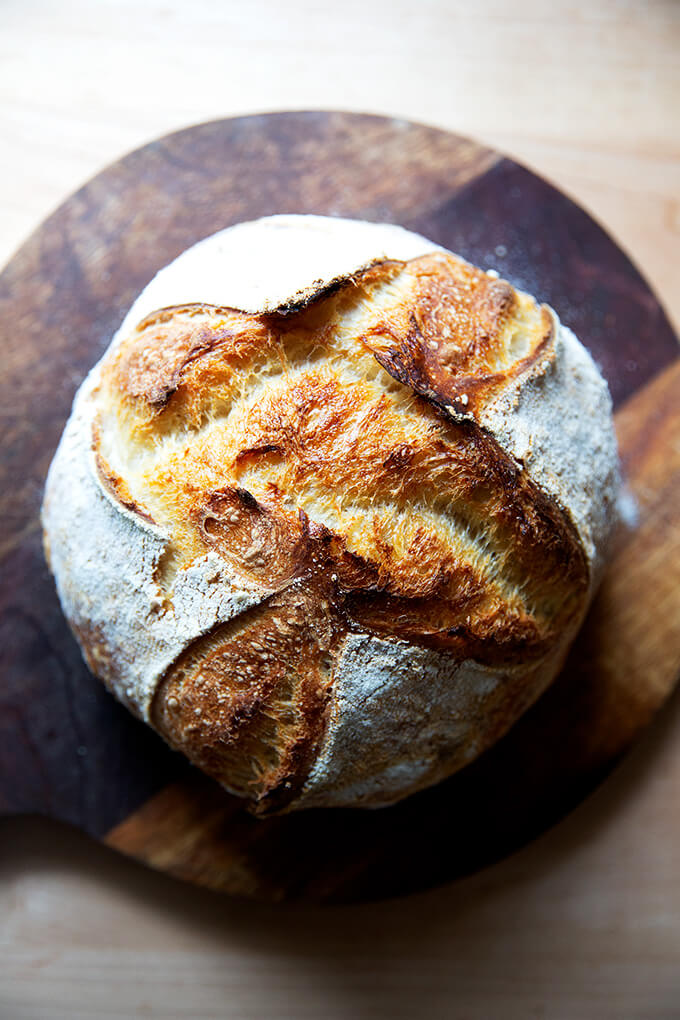
Mastering the Easy Whole Wheat-ish Sourdough Bread: A Flavorful and Nutritious Journey
Embarking on the sourdough journey can feel like a grand adventure, often starting with classic white flour loaves. But what if you crave a deeper flavor, a more robust texture, and a significant nutritional boost without diving headfirst into the complexities of 100% whole wheat? The answer lies in the delightful world of
easy whole wheat ish sourdough bread. This approach, blending the best of both worlds, allows you to infuse your bakes with the earthy goodness of whole grains while maintaining an approachable texture and a simpler learning curve. It's about finding that sweet spot where wholesome meets wonderfully delicious, creating a loaf that's aromatic, satisfying, and surprisingly easy to achieve.
Imagine a slice of bread with a perfectly golden, crunchy crust, a tender crumb dotted with airy pockets, and a subtle nutty tang that sings of artisan craftsmanship. This isn't just a dream; it's the reality of a well-made
easy whole wheat ish sourdough bread. By strategically incorporating a portion of whole wheat flour, especially stone-milled varieties, you unlock a new dimension of flavor and nutritional value. This article will guide you through understanding why this "whole wheat-ish" method is such a game-changer, how to choose the right flours, and essential tips to ensure your baking success, making your transition to whole grain baking both enjoyable and rewarding.
Why "Whole Wheat-ish" Sourdough? Balancing Flavor and Nutrition
The appeal of adding whole wheat flour to your sourdough is undeniable. It promises increased nutritional value, richer flavors, and a more rustic texture. However, making a 100% whole wheat sourdough can present unique challenges, including denser loaves and a steeper learning curve for beginners. This is where the "whole wheat-ish" approach shines, offering a brilliant compromise that delivers significant benefits without the full commitment.
Many aspiring bakers aim to incorporate whole wheat for its perceived health benefits. However, it's crucial to understand that not all whole wheat flours are created equal. The vast majority of commercially available flours, both white and whole wheat, are produced using a roller mill. This process meticulously separates the wheat kernel into its three primary components: the endosperm (which becomes white flour), the germ, and the bran. While whole wheat flour is technically a recombination of these three parts, research indicates that once separated, much of the inherent nutritional value, particularly from the delicate germ and bran, can be lost or diminished.
The solution, and indeed the secret to truly elevating your
easy whole wheat ish sourdough bread, lies in seeking out stone-milled flour. When wheat passes through a traditional stone mill, the endosperm, bran, and germ remain largely intact and together throughout the milling process. This preservation is key to maintaining the full spectrum of nutrients, including fiber, vitamins, and minerals that are often compromised in roller-milled counterparts. But the advantages extend beyond nutrition. The naturally occurring bran and germ in stone-milled flours contribute immensely to the bread's character, lending a more profound depth of flavor, a superior aroma, a subtle textural chew, and a beautiful, natural hue to your finished loaf. By using even a small proportion of such a high-quality whole wheat flour alongside your preferred bread flour, you get a substantial nutritional and flavor boost while still retaining the lighter, more open crumb that many sourdough enthusiasts cherish. This balanced blend ensures your bread is both wholesome and incredibly delicious, making your
easy whole wheat ish sourdough bread truly exceptional.
The Secret Ingredient: Understanding Stone-Milled Flour
As we've touched upon, the type of whole wheat flour you choose can drastically impact the quality of your
easy whole wheat ish sourdough bread. Stone-milled flour isn't just a buzzword; it's a testament to a traditional milling process that respects the integrity of the wheat kernel, unlocking a superior baking experience.
Unlike modern roller mills that separate and then reassemble the wheat components, a stone mill gently grinds the entire kernel between two large stones. This method generates less heat, which is vital for preserving the delicate oils in the germ and the nutritional compounds in the bran. The result is a flour where the endosperm, bran, and germ coexist harmoniously, retaining their full complement of nutrients – fiber, antioxidants, B vitamins, and essential minerals – that are often lost or denatured in conventional processing. This holistic approach not only maximizes the health benefits but also enhances the very essence of your bread.
Beyond nutrition, the sensory contributions of stone-milled flour are remarkable. The presence of the natural bran and germ imbues your sourdough with a complex, nutty, and earthy flavor profile that you simply won't find in standard whole wheat flour. The aroma during baking is richer and more enticing, and the finished loaf boasts a more appealing, natural color. Texturally, the finely ground bran and germ add a subtle chewiness and character, preventing the "sawdust" texture often associated with poorly made whole wheat breads.
How to find it: Look for labels explicitly stating "stone-milled" or "stone-ground" flour. Local artisanal mills are often the best source, providing freshly milled options. Specialty grocery stores, farmers' markets, and online retailers are also excellent places to discover high-quality stone-milled flours. Don't be afraid to ask questions about the milling process if it's not clearly stated. Investing in good quality stone-milled flour is perhaps the single most impactful step you can take to elevate your
easy whole wheat ish sourdough bread. Start by replacing just 10-20% of your white flour with stone-milled whole wheat, and observe the difference. Once you appreciate the flavor and texture it contributes, you can gradually increase the proportion in subsequent bakes, tailoring the recipe to your exact preference.
Mastering Your "Easy Whole Wheat-ish" Sourdough Journey
The term "easy" in
easy whole wheat ish sourdough bread refers to its relative simplicity compared to a 100% whole wheat loaf, which demands more precise hydration and fermentation adjustments. This blended approach makes it an ideal stepping stone for bakers looking to venture beyond all-white flour sourdough. While sourdough baking always involves a learning curve, integrating whole grains in moderation makes the process much smoother.
Here are some foundational tips to ensure a successful journey with your whole wheat-ish sourdough:
*
A Robust Starter is Key: Before anything else, ensure your sourdough starter is active, bubbly, and strong. A healthy starter is the engine of your bread, and it's even more crucial when incorporating whole grains, which can sometimes slow down fermentation. Feed your starter regularly and use it at its peak activity.
*
Embrace the Autolyse: This simple technique involves mixing just flour and water and letting it rest for 30 minutes to an hour before adding your starter and salt. Autolysing allows the flour to fully hydrate and enzyme activity to begin, which helps in gluten development. For whole wheat flours, which are thirstier and have sharper bran particles that can cut gluten strands, an autolyse is particularly beneficial in preventing a dry or crumbly texture. It helps to ensure your
easy whole wheat ish sourdough bread is tender and moist.
*
Gentle Strength with Stretch & Folds: Instead of aggressive kneading, sourdough bakers rely on a series of gentle stretch and folds. This method develops gluten structure without overworking the dough, especially important for doughs containing whole wheat flour. Typically performed every 30-60 minutes during bulk fermentation, these manipulations build strength and elasticity, crucial for good oven spring and an open crumb.
*
Observe, Don't Just Time: Sourdough baking is more about observing your dough than strictly adhering to a clock. Temperature, hydration, and starter strength all influence fermentation times. Learn to recognize the signs of a properly bulk-fermented dough: it should be visibly gassy, slightly jiggly, and have increased in volume (often by 30-50% for whole wheat blends).
*
Progressive Learning: If you are completely new to sourdough, it's often recommended to master a basic white flour recipe first. Once you're comfortable with the core techniques, gradually introduce whole wheat flour. Starting with a modest 10-20% stone-milled whole wheat flour allows you to observe its effects without overwhelming the process. As your confidence grows, you can experiment with higher percentages, perhaps moving towards a
more whole wheat intensive sourdough in your next bake. This incremental approach makes the journey to delicious
easy whole wheat ish sourdough bread much more manageable and enjoyable.
Elevating Your Loaf: Tips for a Superior Whole Wheat-ish Sourdough
Once you've grasped the fundamentals of
easy whole wheat ish sourdough bread, you can implement several advanced strategies to truly perfect your loaves, taking them from great to extraordinary. These tips focus on fine-tuning your process and understanding the nuances of whole grain baking.
*
Hydration Adjustments are Key: Whole wheat flours, due to their bran content, absorb more water than white flours. You might find your dough needs a slightly higher hydration level (an extra 5-10% water) to achieve a similar consistency to an all-white flour dough. Experiment incrementally; too much water can make the dough difficult to handle, while too little will result in a dry, dense loaf.
*
Longer Fermentation Potential: The bran and germ in whole wheat flour contain enzymes that can sometimes speed up fermentation, but they also contain compounds that can slow it down. Observe your dough closely. Often, doughs with a higher percentage of whole wheat might benefit from slightly longer bulk fermentation or cold proofing to develop deeper flavors and allow gluten to fully relax.
*
Proofing Prowess: Proper proofing is critical. For an
easy whole wheat ish sourdough bread, the dough should feel pillowy and responsive but still have some spring when gently poked. An underproofed loaf will burst irregularly, while an overproofed loaf will spread in the oven and have a dense crumb. The "poke test" is your best friend here.
*
Achieving the Perfect Crust: A hallmark of great sourdough is its golden, crunchy, caramelized crust. To achieve this, bake your bread in a preheated Dutch oven or with steam. The initial burst of steam allows the crust to remain pliable, enabling maximum oven spring, before drying out to form that irresistible crispness. Consider spritzing your dough with water or placing ice cubes in your Dutch oven during the initial baking phase.
*
Experiment with Flour Blends: Don't be afraid to explore different ratios. While bread flour provides strong gluten development, you can also experiment with small amounts of all-purpose flour for a softer crumb, or even other grains like rye or spelt for added complexity. Each flour brings its unique characteristics to your
easy whole wheat ish sourdough bread, allowing for endless customization.
*
Consider Diastatic Malt Powder: A tiny pinch (about 0.5-1% of flour weight) of diastatic malt powder can work wonders. It's an enzyme-rich ingredient that helps convert starches into sugars, which in turn feeds the yeast, improves fermentation, enhances crust browning, and contributes to a softer crumb. This can be particularly beneficial for whole grain doughs.
*
Enrich with Seeds or Grains: For added texture and nutrition, consider incorporating toasted seeds (like sesame, poppy, or sunflower) or cooked grains (such as quinoa or oats) into your dough during the final stages of mixing. This not only boosts the nutritional profile but also adds delightful bursts of flavor and crunch to your
easy whole wheat ish sourdough bread. For more advanced techniques and troubleshooting, delve into
easy whole wheat ish sourdough bread - Article 3.
Conclusion
The journey into making
easy whole wheat ish sourdough bread is a truly rewarding one, offering a harmonious blend of the familiar and the exciting. By thoughtfully incorporating stone-milled whole wheat flour into your sourdough routine, you unlock a realm of deeper flavors, richer aromas, and significant nutritional benefits, all while maintaining an approachable baking process. This method empowers you to craft loaves that are both wholesome and exquisitely delicious, perfect for daily enjoyment or sharing with loved ones. Remember, sourdough baking is a craft that improves with practice and observation. Embrace the learning process, savor the subtle differences that stone-milled flour brings, and don't hesitate to experiment with proportions and techniques. The satisfaction of pulling a warm, aromatic loaf of your own "whole wheat-ish" creation from the oven is unparalleled, proving that healthier eating can indeed be incredibly tasty and accessible. So go ahead, nourish your starter, knead your dough, and enjoy the extraordinary results of your homemade
easy whole wheat ish sourdough bread.