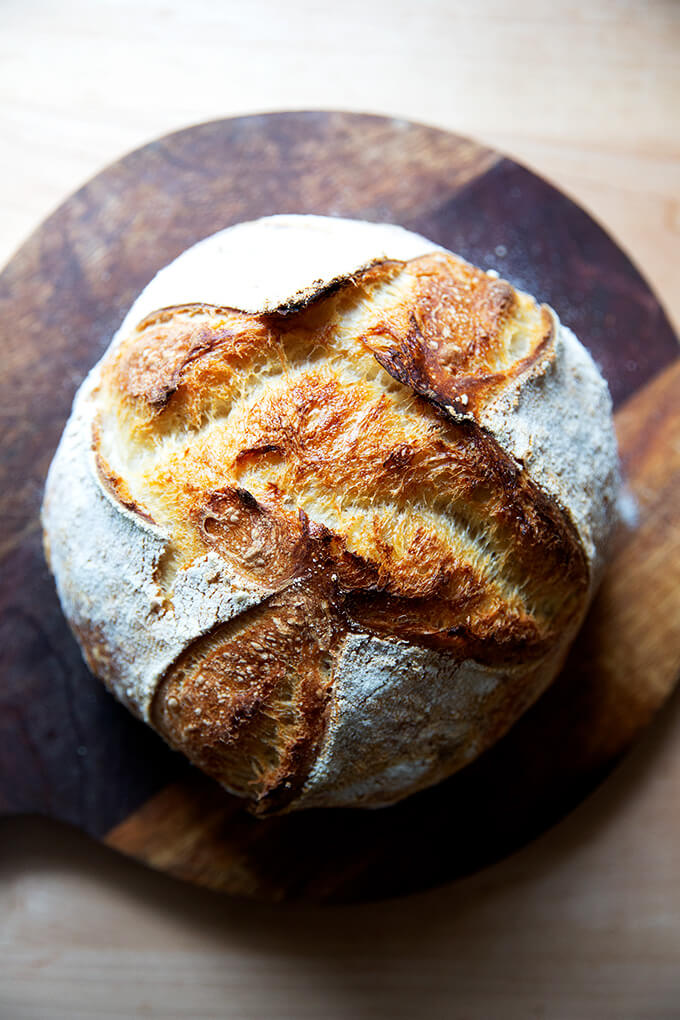
Discovering the Magic of Easy Whole Wheat-ish Sourdough Bread
There's a unique satisfaction that comes from baking your own sourdough bread. The tangy aroma, the golden, crunchy crust, and the airy, open crumb are rewards that make the process truly worthwhile. But what if you could infuse that beloved loaf with even more flavor and a significant nutritional boost, without sacrificing its delightful texture or making the baking process overly complicated? Enter the world of easy whole wheat ish sourdough bread – a perfect blend that offers the best of both worlds.
For many home bakers, the thought of working with whole wheat flour can be daunting. Visions of dense, brick-like loaves or a struggle to achieve that coveted open crumb might deter them. However, by incorporating just a portion of high-quality whole wheat flour into your recipe, you can unlock a new dimension of flavor and nutrition. This article will guide you through understanding the benefits of choosing the right whole wheat flour and how to seamlessly integrate it into your sourdough routine, making it an achievable and incredibly rewarding endeavor for any home baker.
Why "Whole Wheat-ish" is Your Sourdough Sweet Spot
The term "whole wheat-ish" perfectly describes the philosophy behind this approach: enjoying the advantages of whole grains without committing to a 100% whole wheat loaf, which can sometimes be more challenging to master, especially for beginners. By using a mix of bread flour (or all-purpose flour) and a small, yet impactful, portion of whole wheat flour, you create a bread that is both nutritious and incredibly palatable.
- Enhanced Flavor Profile: Whole wheat flour, particularly stone-milled varieties, contributes a depth of nutty, earthy flavors that simply isn't present in white flour. This complexity elevates your sourdough from good to truly exceptional, making each slice more aromatic and interesting.
- Nutritional Powerhouse: White flour is primarily made from the endosperm of the wheat kernel, while whole wheat flour includes the bran and germ – parts rich in fiber, vitamins, minerals, and antioxidants. Even a small addition significantly boosts the nutritional content of your bread.
- Superior Texture Management: This is where the "easy" and "ish" come into play. A hybrid approach ensures that your bread retains a light, tender crumb and an open structure, which can be harder to achieve with a 100% whole wheat recipe. The white flour provides the gluten structure needed for a lofty rise, while the whole wheat adds character without making the loaf too heavy or dense. This balance makes it an ideal starting point for those looking to explore whole grain sourdough without the steep learning curve often associated with it.
Unlocking Flavor and Nutrition: The Stone-Milled Flour Difference
When you decide to add whole wheat flour to your sourdough, the type of flour you choose makes a monumental difference. Not all whole wheat flours are created equal, and understanding this distinction is crucial for achieving the best results in terms of both flavor and nutritional value.
The Problem with Commercial Roller-Milled Flour
Most commercial flour, whether white or whole wheat, is produced using a roller mill. This process efficiently separates the wheat kernel into its three primary components: the endosperm (which becomes white flour), the bran (the outer layer), and the germ (the embryo of the seed). For "whole wheat" flour, these separated components are often recombined after the milling process. The unfortunate truth, backed by extensive research, is that once these parts are separated, much of the wheat kernel's inherent nutritional value begins to diminish, even when they are added back together.
The Solution: Embrace Stone-Milled Flour
The traditional method of stone milling offers a powerful alternative. In a stone mill, wheat kernels are slowly ground between two large stones. This gentler process keeps the endosperm, bran, and germ largely intact and together. Why is this important? Because keeping these components united preserves significantly more of the wheat's natural nutrition. The fats in the germ and the oils in the bran are protected from oxidation when milled this way, retaining vital nutrients and contributing to a superior product.
But the benefits extend beyond nutrition. The presence of the bran and germ in stone-milled flours also delivers an unparalleled sensory experience to your bread:
- Intensified Flavor: The natural oils and compounds in the germ and bran contribute a richer, more complex, and often nutty flavor profile that is simply absent in roller-milled counterparts.
- Aromatic Depth: The moment you open a bag of good stone-milled whole wheat flour, you'll notice a distinct, wholesome aroma. This translates directly into a more fragrant loaf.
- Beautiful Hue: Stone-milled flour often has a slightly varied texture and a lovely, subtle golden-brown hue, which adds to the rustic appeal of your finished bread.
- Improved Texture (when used correctly): While 100% whole wheat can be challenging, a small inclusion of stone-milled whole wheat flour contributes a subtle chewiness and character that enhances the overall mouthfeel without making the bread dense.
When seeking stone-milled flour, look for local millers, specialty food stores, or reputable online suppliers. Investing in quality flour is perhaps the single most impactful step you can take to elevate your easy whole wheat ish sourdough bread.
Mastering the Easy Whole Wheat-ish Sourdough Process
Baking sourdough, especially with whole grains, can feel like a grand undertaking, but with a bit of guidance and practice, it becomes an intuitive dance. For those new to sourdough baking, we always recommend starting with a foundational recipe to build confidence. You might find great success beginning with a classic sourdough recipe first, as detailed in easy whole wheat ish sourdough bread - Article 1, before gradually introducing whole wheat.
Once you're comfortable with the basics, integrating whole wheat becomes a natural progression. The "easy whole wheat-ish" approach means you don't need to drastically alter your familiar sourdough routine. Here are some key considerations:
Starter Activity is Paramount
A strong, active sourdough starter is the foundation of any successful loaf, and even more so when working with whole grains. Ensure your starter is robust, bubbly, and passes the float test before you begin. Whole wheat flour can sometimes be "thirstier" and more demanding on your starter, so using it at its peak activity is essential for a good rise.
Hydration Adjustments
Whole wheat flour absorbs more water than white flour due to the presence of the bran. This means you might need to increase the overall hydration of your dough slightly. Start conservatively; a good rule of thumb is to add an extra 1-2% water initially and see how the dough feels. It's always easier to add more water during the initial mixing or stretch and folds than to take it away.
The Autolyse Process
An autolyse (mixing flour and water only, then letting it rest) is particularly beneficial when incorporating whole wheat. This step allows the flour to fully hydrate and the gluten to start developing without the presence of salt or starter, which can inhibit initial gluten formation. For your easy whole wheat ish sourdough bread, a 30-60 minute autolyse can make a noticeable difference in the extensibility and workability of your dough.
Gentle Handling and Patience
While whole wheat flours do contain gluten, the bran can sometimes "cut" gluten strands, making the dough slightly less extensible. This is why a blend is so effective! Perform your stretch and folds gently, and trust the process. Fermentation might also proceed a little faster or slower depending on your specific whole wheat flour, so learn to read your dough, not just the clock.
For more detailed instructions on shaping and fermentation, our article easy whole wheat ish sourdough bread - Article 3 provides excellent guidance on perfecting your technique.
Tips for a Perfectly Balanced Loaf
- Start Small: If you're new to whole wheat sourdough, begin by replacing just 10-20% of your white flour with whole wheat. Once you're happy with the results, you can gradually increase the proportion in subsequent bakes.
- Experiment with Blends: Don't be afraid to try different ratios of bread flour, all-purpose flour, and whole wheat flour. Each combination will yield slightly different results in terms of texture, flavor, and crust development.
- Observe Your Dough: Sourdough baking is more about intuition than strict adherence to times. Pay attention to how your dough feels, how it rises, and how it responds to handling. This will teach you far more than any recipe ever could.
- High Heat for a Great Crust: Regardless of your flour blend, a hot oven with steam is key for a beautiful, crunchy crust. Preheat your Dutch oven or baking stone thoroughly.
Conclusion
Embracing easy whole wheat ish sourdough bread is a fantastic way to elevate your home baking. By understanding the profound difference that stone-milled whole wheat flour makes and applying a few simple adjustments to your sourdough routine, you can create loaves that are not only deeply flavorful and aromatic but also boast a significantly enhanced nutritional profile, all while maintaining that irresistible light and airy texture. This journey of exploration is incredibly rewarding, yielding bread that is truly a labor of love, made with wholesome ingredients and a touch of ancient wisdom. So, don't hesitate—feed your starter, source some quality whole wheat flour, and get ready to bake some of the most satisfying bread you've ever tasted.
